Less Landfill, more design.
The Fashion Industry's Environmental Impact
Why we cannot ignore this fashion crisis.
5/4/20262 min read
The Environmental Cost of Fast Fashion
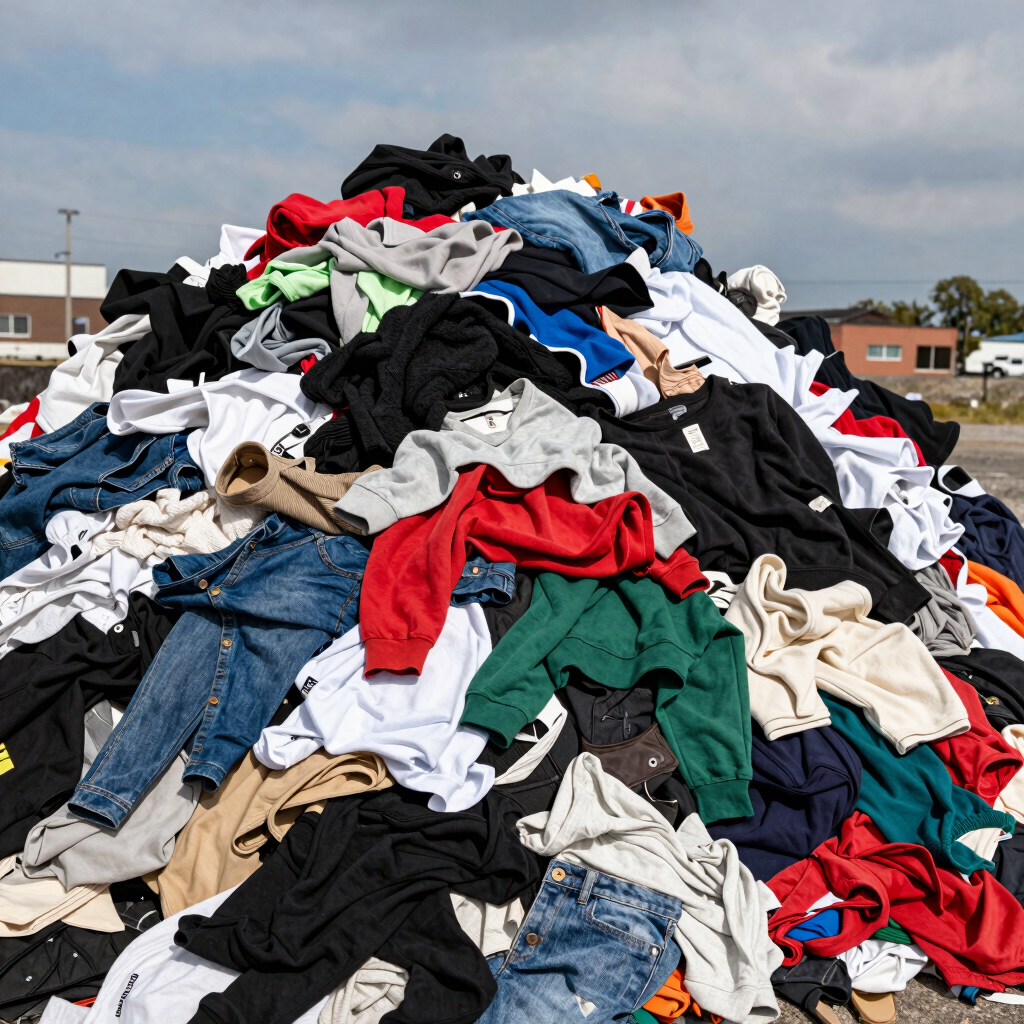
Fast fashion has transformed the clothing industry by enabling rapid cycles of production and consumption, but this convenience comes at a significant environmental cost. There is already enough clothing on the planet to dress our next 6 generations in. That's astounding.
The waste generated by the fashion industry is a critical issue. It is estimated that over 92 million tons of textile waste are produced globally each year, much of which ends up in our oceans and landfills. Fast fashion promotes a cycle of overconsumption, encouraging consumers to discard clothes after only a few uses. Unsold garments, which are often destroyed rather than donated or recycled, exacerbate this issue, leading to wasted resources and increased landfill bulk.
In terms of carbon footprint, the transportation of clothing items from factories to retail locations worldwide generates significant greenhouse gas emissions. The fashion industry contributes approximately 10% of global carbon emissions, highlighting the urgency for more sustainable practices. Major brands and retailers often prioritise profit over ecological responsibility sadly.
In essence, the entire fashion supply chain—from sourcing to manufacturing to distribution—plays a pivotal role in the greenhouse gas emissions that fuel climate change. Understanding this correlation is crucial for promoting sustainable practices within the industry and for aiding consumers in making informed choices that prioritise the health of our planet.
Sustainable Alternatives in Fashion
In recent years, the fashion industry has faced increasing scrutiny regarding its environmental impact. As a response to this concern, sustainable fashion has emerged as a viable alternative that promotes ecological balance while still serving the needs of consumers. Sustainable fashion encompasses various practices that aim to reduce the overall footprint of clothing production and consumption.
One of the fundamental aspects of sustainable fashion is the use of eco-friendly materials. Fabrics derived from organic cotton, recycled polyester, and hemp are becoming more prevalent. These materials not only minimize the use of harmful chemicals but also diminish waste by utilizing pre-existing textiles. Furthermore, brands are increasingly adopting innovative biodegradable materials that reduce long-term waste in landfills, thus contributing to a more circular economy.
In addition to sustainable materials, ethical production practices are essential in promoting environmental consciousness. Brands that prioritize transparency in their supply chains and ensure fair labor practices are pivotal in the movement toward sustainable fashion. These companies often invest in eco-friendly production methods, such as low-impact dyeing processes and energy-efficient manufacturing techniques, further mitigating their environmental effects, which is great!
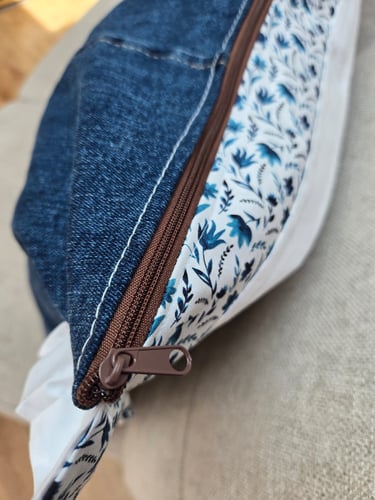
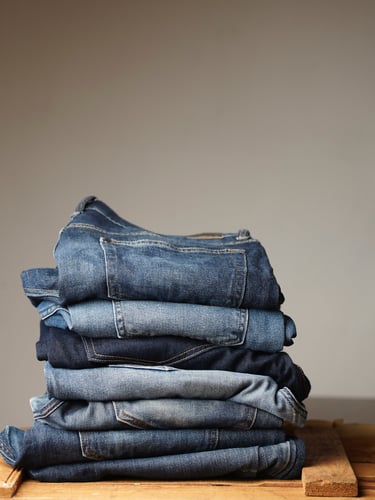
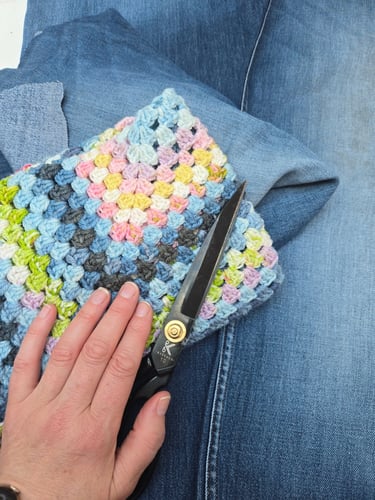
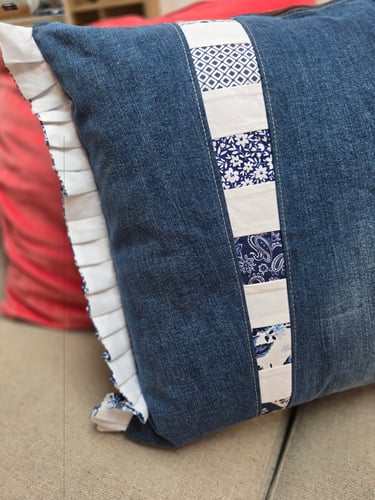
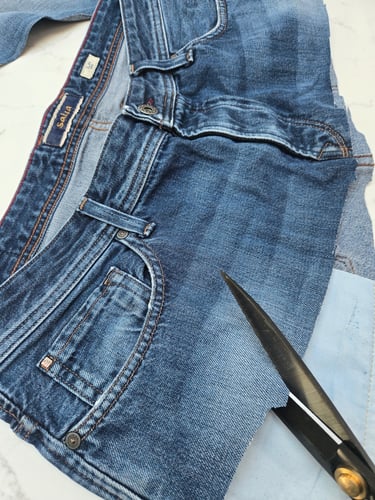
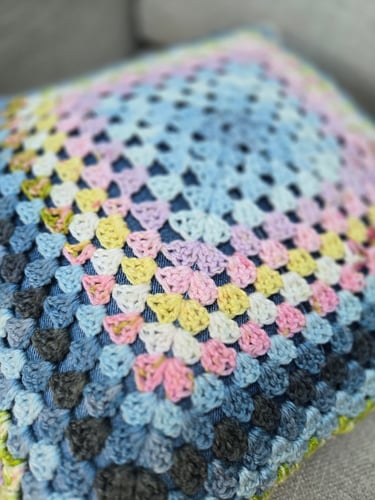
Furthermore, the concepts of recycling, upcycling, and second-hand shopping have gained traction as effective strategies for reducing waste. Recycling old garments can breathe new life into fashion, while upcycling enables consumers to create unique pieces from discarded items. The rise of thrift stores and online second-hand platforms also offers individuals an opportunity to shop sustainably, reducing the demand for new items.
By selecting brands committed to environmental ethics and embracing practices such as thrift shopping, people can contribute to a more sustainable fashion landscape. As awareness continues to grow, the shift towards more responsible fashion practices can only be great for the health of our planet and our generations to come.
Join us in our movement to be more sustainable, and like us, find the love and joy in recycling clothing and textiles.
Samantha-Jayne x

Recycled Shore
Contact us
Sign up for our newsletter, only once a month, contains our latest projects, recycling ideas and exclusive prices.
© 2024. All rights reserved.